Your cart is currently empty.
Choose Your Greeting Card Design:
You May Also Like These

Subtotal
$0.00
Shipping & Handling :
Calculated in Checkout
Total
$0.00
Subtotal
$0.00
Shipping & Handling :
Calculated in Checkout
Total
$0.00
FREE SHIPPING ON ORDERS $65+
![G.I. Joe [Classic Collection] - Tuskegee Bomber Pilot Action Figure (12") - Hasbro (1996)](http://poggers.com/cdn/shop/files/G_I_-Joe-Classic-Collection-Tuskegee-Bomber-Pilot-Action-Figure-12-Hasbro-1996_700x700.webp?v=1767699890)
Free Shipping
on orders $65+
Secure
Checkout
Easy
Returns

✈️ Encourages meaningful, history-based storytelling
🏅 Honors the legacy of the Tuskegee Airmen
🎨 Ideal for museum-style or military-themed collections
Free Shipping
on orders $65+
Secure
Checkout
Easy
Returns

✈️ Encourages meaningful, history-based storytelling
🏅 Honors the legacy of the Tuskegee Airmen
🎨 Ideal for museum-style or military-themed collections


![G.I. Joe [Classic Collection] - Tuskegee Bomber Pilot Action Figure (12](http://poggers.com/cdn/shop/files/G_I_-Joe-Classic-Collection-Tuskegee-Bomber-Pilot-Action-Figure-12-Hasbro-1996_large.webp?v=1767699890)
![G.I. Joe [Classic Collection] - Tuskegee Bomber Pilot Action Figure (12](http://poggers.com/cdn/shop/files/G_I_-Joe-Classic-Collection-Tuskegee-Bomber-Pilot-Action-Figure-12-Hasbro-1996-2_large.webp?v=1767699891)
![G.I. Joe [Classic Collection] - Tuskegee Bomber Pilot Action Figure (12](http://poggers.com/cdn/shop/files/G_I_-Joe-Classic-Collection-Tuskegee-Bomber-Pilot-Action-Figure-12-Hasbro-1996-3_large.webp?v=1767699892)
![G.I. Joe [Classic Collection] - Tuskegee Bomber Pilot Action Figure (12](http://poggers.com/cdn/shop/files/G_I_-Joe-Classic-Collection-Tuskegee-Bomber-Pilot-Action-Figure-12-Hasbro-1996-4_large.webp?v=1767699893)
![G.I. Joe [Classic Collection] - Tuskegee Bomber Pilot Action Figure (12](http://poggers.com/cdn/shop/files/G_I_-Joe-Classic-Collection-Tuskegee-Bomber-Pilot-Action-Figure-12-Hasbro-1996-5_large.webp?v=1767699895)
Honor a powerful chapter of American history with the G.I. Joe Classic Collection Tuskegee Bomber Pilot Action Figure from Hasbro. Released in 1996, this 12-inch collectible pays tribute to the brave Tuskegee Airmen who trained and persevered against overwhelming odds during World War II. Rooted in the real-life story of the 477th Bombardment Group, this figure represents courage, determination, and the pursuit of equality—values that define both the legacy of the Tuskegee Airmen and the spirit of G.I. Joe.
Expertly crafted with period-accurate detailing, the Tuskegee Bomber Pilot features an authentic flight uniform inspired by WWII bomber crews, complete with realistic textures and carefully designed accessories. The fully articulated body allows for natural, expressive posing, making the figure ideal for historically inspired displays or respectful reenactments. High-quality materials and classic G.I. Joe construction ensure durability while preserving collector-grade presentation.
As part of the G.I. Joe Classic Collection, this figure blends educational storytelling with premium collectibility. Whether displayed as a standalone tribute or alongside other military-themed G.I. Joe figures, the Tuskegee Bomber Pilot serves as a meaningful reminder of the airmen whose perseverance helped change military history and led to the integration of the U.S. Armed Forces.
Fandom:
Manufacturer: Hasbro
Year Manufactured: 1996
Item Weight: 1.51 pounds
Item UPC: 076281813943

Discover the world of play with Hasbro Products, a global leader in creating memorable and enjoyable experiences for audiences of all ages. Renowned for an extensive portfolio that spans classic board games, iconic toys, and beloved franchises, Hasbro has been a household name, delighting generations with innovative and entertaining products. From timeless favorites like Monopoly and Transformers to cutting-edge additions, our collection offers a curated selection of officially licensed Hasbro Products, ensuring fans can bring the joy and excitement of these beloved brands into their homes.
At the heart of Hasbro's legacy is a commitment to quality and creativity. As your trusted source for Hasbro Products, we collaborate with licensors to maintain the highest standards, ensuring that each item not only captures the essence of the beloved brands but also aligns with the intellectual property owners' expectations. Join us on a journey of fun and nostalgia, exploring our diverse range of officially licensed merchandise that allows fans to express their passion for iconic franchises through an extensive and carefully curated selection of products.
G.I. Joe is a military-themed franchise created by Hasbro that began in the 1960s with a line of action figures representing American soldiers. The term "G.I. Joe" originally referred to U.S. soldiers, with "G.I." meaning "Government Issue" or "General Issue." Over the years, G.I. Joe has evolved into a multifaceted brand that includes animated television series, comic books, and feature films. The storyline primarily revolves around the elite G.I. Joe Team, which combats the nefarious Cobra organization, a group intent on global domination. The franchise emphasizes themes of bravery, teamwork, and heroism, appealing to both children and adult collectors alike.
The G.I. Joe franchise has made a significant impact on popular culture, inspiring a diverse range of characters and storylines that contribute to its rich lore. Each character in the G.I. Joe universe has unique skills and backgrounds, allowing for engaging narratives and adventures. The brand's popularity has led to the production of numerous toys, games, and action figures, fostering a loyal fanbase. From its inception as a simple action figure line to its status as a cultural icon, G.I. Joe remains a beloved symbol of military action and adventure, captivating generations of fans around the world.
 12-Inch Action Figure Scale: Classic G.I. Joe size with commanding presence
Tuskegee Bomber Pilot Tribute: Inspired by WWII-era 477th Bombardment Group
Authentic Military Styling: Period-accurate flight uniform and pilot detailing
Fully Articulated Body: Allows dynamic, realistic posing for display or play
Premium Craftsmanship: High-quality materials with careful attention to detail
Classic Collection Release: Part of Hasbro’s respected G.I. Joe Classic line
Historical Educational Value: Highlights an important chapter in U.S. history
Display or Diorama Ready: Ideal for collectors and military displays
Official Hasbro Product: Released in 1996 with collector-focused presentation


Honor a powerful chapter of American history with the G.I. Joe Classic Collection Tuskegee Bomber Pilot Action Figure from Hasbro. Released in 1996, this 12-inch collectible pays tribute to the brave Tuskegee Airmen who trained and persevered against overwhelming odds during World War II. Rooted in the real-life story of the 477th Bombardment Group, this figure represents courage, determination, and the pursuit of equality—values that define both the legacy of the Tuskegee Airmen and the spirit of G.I. Joe.
Expertly crafted with period-accurate detailing, the Tuskegee Bomber Pilot features an authentic flight uniform inspired by WWII bomber crews, complete with realistic textures and carefully designed accessories. The fully articulated body allows for natural, expressive posing, making the figure ideal for historically inspired displays or respectful reenactments. High-quality materials and classic G.I. Joe construction ensure durability while preserving collector-grade presentation.
As part of the G.I. Joe Classic Collection, this figure blends educational storytelling with premium collectibility. Whether displayed as a standalone tribute or alongside other military-themed G.I. Joe figures, the Tuskegee Bomber Pilot serves as a meaningful reminder of the airmen whose perseverance helped change military history and led to the integration of the U.S. Armed Forces.
Fandom:
Manufacturer: Hasbro
Year Manufacturered : 1996
Item Weight: 1.51 pounds
Item UPC: 076281813943
G.I. Joe is a military-themed franchise created by Hasbro that began in the 1960s with a line of action figures representing American soldiers. The term "G.I. Joe" originally referred to U.S. soldiers, with "G.I." meaning "Government Issue" or "General Issue." Over the years, G.I. Joe has evolved into a multifaceted brand that includes animated television series, comic books, and feature films. The storyline primarily revolves around the elite G.I. Joe Team, which combats the nefarious Cobra organization, a group intent on global domination. The franchise emphasizes themes of bravery, teamwork, and heroism, appealing to both children and adult collectors alike.
The G.I. Joe franchise has made a significant impact on popular culture, inspiring a diverse range of characters and storylines that contribute to its rich lore. Each character in the G.I. Joe universe has unique skills and backgrounds, allowing for engaging narratives and adventures. The brand's popularity has led to the production of numerous toys, games, and action figures, fostering a loyal fanbase. From its inception as a simple action figure line to its status as a cultural icon, G.I. Joe remains a beloved symbol of military action and adventure, captivating generations of fans around the world.
Discover the world of play with Hasbro Products, a global leader in creating memorable and enjoyable experiences for audiences of all ages. Renowned for an extensive portfolio that spans classic board games, iconic toys, and beloved franchises, Hasbro has been a household name, delighting generations with innovative and entertaining products. From timeless favorites like Monopoly and Transformers to cutting-edge additions, our collection offers a curated selection of officially licensed Hasbro Products, ensuring fans can bring the joy and excitement of these beloved brands into their homes.
At the heart of Hasbro's legacy is a commitment to quality and creativity. As your trusted source for Hasbro Products, we collaborate with licensors to maintain the highest standards, ensuring that each item not only captures the essence of the beloved brands but also aligns with the intellectual property owners' expectations. Join us on a journey of fun and nostalgia, exploring our diverse range of officially licensed merchandise that allows fans to express their passion for iconic franchises through an extensive and carefully curated selection of products.
12-Inch Action Figure Scale: Classic G.I. Joe size with commanding presence
Tuskegee Bomber Pilot Tribute: Inspired by WWII-era 477th Bombardment Group
Authentic Military Styling: Period-accurate flight uniform and pilot detailing

Other delivery options are available, which you can choose during checkout
We ship all your orders from a small town in Wisconsin from our small family owned and operated business. When you shop with Poggers, you're supporting a small business, not a mega corporation!
We hope that your order arrives to your satisfaction, but in case it doesn't, we will be happy to give you a pre-paid return label so you can return it for a full refund! There are no risks when ordering with Poggers!
If you need more help, send us an email at hello@poggers.com or call us at our warehouse (262-476-5047) on Monday through Friday, from 10 a.m. to 5 p.m. CST and we'll help you out!

We fulfill orders as quickly as possible when we're at the Poggers warehouse, Monday through Friday, from 10 a.m. to 5 p.m. CST—usually within 24 hours of receiving your order. If you place an order over the weekend, it will be fulfilled that following Monday. We aim to hand the package to the shipping carrier within 24 hours, but depending on when the order was placed and how busy we are (we're a small family business, after all), it may take up to 48 hours to get it into the carrier's hands.
The time it takes for your order to arrive depends on the shipping method you choose and when we fulfill the order, as explained above. Carriers typically have a 24-hour handling time before your package enters their system and they start counting the shipping days.
For example, if you select a 3-day shipping method on Monday, the carrier will likely receive it on Tuesday and won't begin counting the 3-day shipping until Wednesday, meaning you should expect it to arrive by Friday, Saturday, or possibly even the following Monday, depending on whether that carrier operates on weekends (e.g., UPS usually does not deliver on weekends). Due to the variability in shipping times, we strongly suggest placing your order as soon as possible if it's time-sensitive.
We're located in a small town of around 2,000 people named “Belgium” in the state of Wisconsin, USA. And no, it's not the country of Belgium—it's a tiny town called “Belgium” that you probably haven't heard of. There's not much going on here, but we do have a nice gas station that recently opened, where we usually get our morning coffees!
Poggers is the best toy store in the world, of course! Well, we might be a little biased... (probably). We're a small, family-owned and operated business with just a handful of employees working out of a 5,000 sq. ft. warehouse in the Midwest, USA. We sell all kinds of toys, games, collectibles, anime merchandise, and pretty much anything you’d want if you like having fun!
It's true that when you place an order, we make a couple of bucks, but instead of helping those super-rich shareholders of massive corporations get even richer, you can support us!
To be transparent, we're currently saving up to open our first brick-and-mortar location, so every order helps! We're trying to build a really cool and fun business, with (hopefully) a store that makes you say, “Wow, this place is cool!” when you walk in. The only way we can do that is with your support. So please help us out by clicking that “Add to Cart” button!
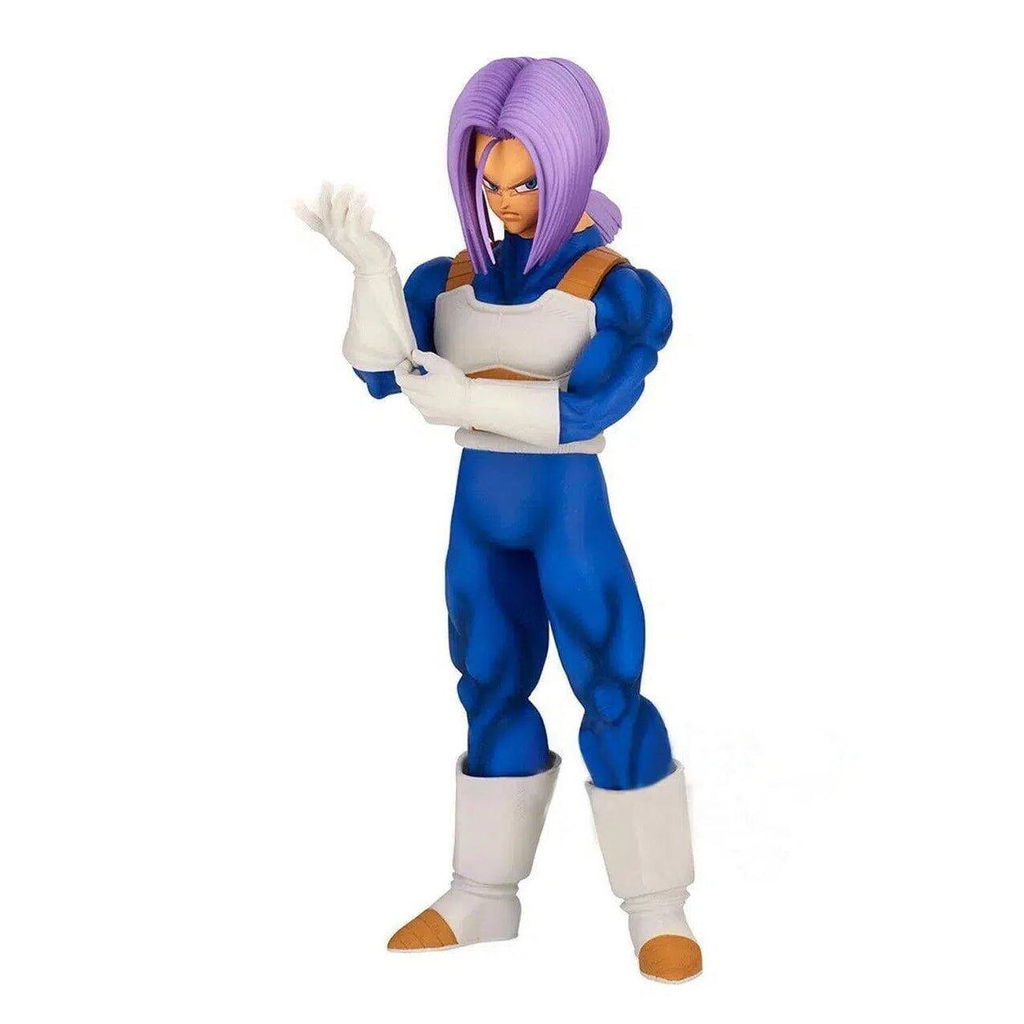
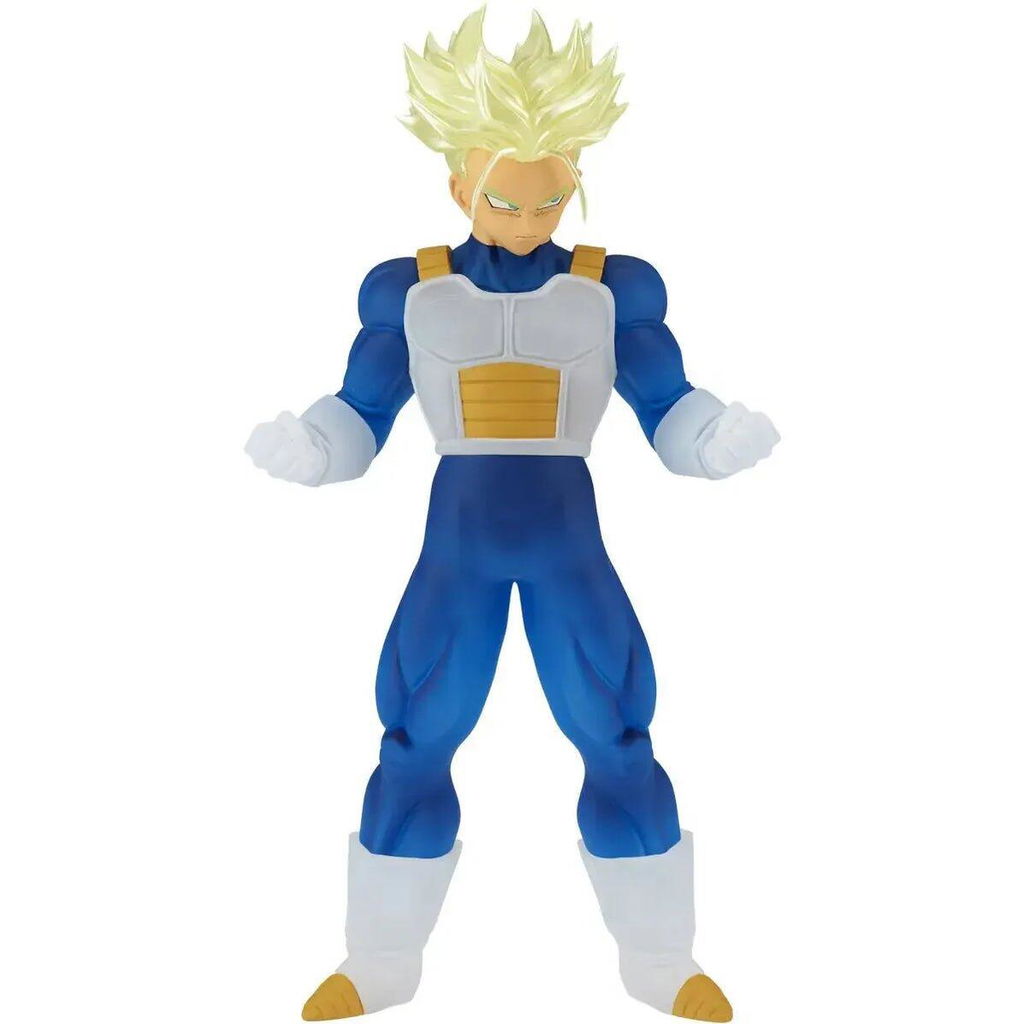
I do like this Future Trunks figure I think this my favorite!
Fast shipping!
Authentic and fast shipping!
I love this figure of Future Trunks I like the jelly on him :∆
I love my plushie! great service, fast shipping and well packaged.
Amazing figure with incredible detail and color. Shipping was quick and well packaged.
My daughter loves it. Thankyou
Item as described, well packaged, arrived quickly
Thank you shipoing was fast a the price os great
Shipping was fast product was as described very happy easy transaction
It came in great quality and looks awesome! I was worried about how it would stand on its own but i realized the box included a little stand for him too.
This figure also appears in the Apex Legends Season 3 launch trailer, overall an amazing purchase for apex fans!
Perfect condition looks excellent like the picture
I have had these before and they are very comfortable and extremely durable. I finally threw my pair away after 4 years of wear and they could have lasted longer lol. I ordered two more because I don't know if I will be able to find these again and I love them.
Fast shipping both times I ordered! A1 seller. Thank you Poggers!!!!
Loved these sets!
I love the style! It fits perfect!
Awesome site!!
Got my items really fast and they were in perfect condition. Will definitely order from here more since they have a great selection of stuff that’s hard to find on other sites. Thank you!! :)
I LOVE THIS WALLET !!
if you’re a lifelong Yu-Gi-Oh! fan such as myself, then this is the wallet for you. It’s beautiful and the quality is amazing. Thank you so much to the Poggers family for packing it so delicately and getting it to me quick ! all love & I am definitely ordering more !
Love it!
Fits exactly as I was hoping! I've struggled to find a hat that has a theme I like while not having a massive dome that makes it look huge when worn. Quality is superb. Also love being able to support a small business that appreciates their customers!


Just a very fast, friendly, group that feels like a classic family owned toy shop.
Every step of the way, they made sure my package was sent, tracking data and even wanted to make sure it arrived. Like a friend wanting to make sure your present arrived on time.
When it arrived, there were surprises as well, which wasn't necessary, but made me smile.
I ordered a card game, but friends of mine have ordered figurines and plush toys and have had also a great experience.
The fact this was placed during Thanksgiving and during a rough weather storm in Wisconsin was equally amazing!I
love this group and recommend it, even if it's $2-3 more compared to Amazon and other Retailers, this is such a caring retailer.
Give it a try, the service stands out!
I was slightly wary originally to purchase from this story because I'd never heard of it, and when it comes to figures I am extra worrisome but I took the chance because they had a Gojo figure I'd been searching for and couldn't find without it costing an arm and a leg.
The price was fair, so I gave them a chance and I'm happy I did because the figure came in original packaging and clearly unboxed.
It was pristine and exactly as pictured, and it came rather quickly I'd like to add.
The note attached to the invoice was super cute and made me smile. (Shout out to Ray, a fellow JJK fan.) I will certainly buy from here again in the future with no apprehension.
All I ask is that you get the JJK0 Geto noodle stopper figure soon!
I was hesitant at first because I'd never heard of this store and they are quite new, but they're absolutely amazing! Professional and yet delightfully quirky with emails and update, and the site it's self is easy to navigate! They have stock that's old and new at very good yet legitimate prices, and seem to have a range of products from Hatsune Miku to Batman to Pokemon to Skyrim! Big store variety with little store charm, will be buying from them again for sure!!!
Great price for a Catan expansion! Skeptical at first because they had the lowest price on that item and I've never heard of the company before, so I did a quick google search for the reliability of the company and decided to give them a try.
They're very accommodating with request. Quick and fast response/service.
Item shipped out the next business day.
This is a legitimate family owned company so I'm definitely going to give them more of my business when needed.
Just placed my first purchase with POGGERS! I found what I was looking for, had a good price & received it today in a very properly wrapped box.
I KNOW my grandson will love this. I believe I have found a GREAT toy store!!



![G.I. Joe [Classic Collection] - Tuskegee Bomber Pilot Action Figure (12") - Hasbro (1996)](http://poggers.com/cdn/shop/files/G_I_-Joe-Classic-Collection-Tuskegee-Bomber-Pilot-Action-Figure-12-Hasbro-1996-2_700x700.webp?v=1767699891)
![G.I. Joe [Classic Collection] - Tuskegee Bomber Pilot Action Figure (12") - Hasbro (1996)](http://poggers.com/cdn/shop/files/G_I_-Joe-Classic-Collection-Tuskegee-Bomber-Pilot-Action-Figure-12-Hasbro-1996-3_700x700.webp?v=1767699892)
![G.I. Joe [Classic Collection] - Tuskegee Bomber Pilot Action Figure (12") - Hasbro (1996)](http://poggers.com/cdn/shop/files/G_I_-Joe-Classic-Collection-Tuskegee-Bomber-Pilot-Action-Figure-12-Hasbro-1996-4_700x700.webp?v=1767699893)
![G.I. Joe [Classic Collection] - Tuskegee Bomber Pilot Action Figure (12") - Hasbro (1996)](http://poggers.com/cdn/shop/files/G_I_-Joe-Classic-Collection-Tuskegee-Bomber-Pilot-Action-Figure-12-Hasbro-1996-5_700x700.webp?v=1767699895)




![Marvel [Spidey and His Amazing Friends] - Iron Man Plush (10") - Jazwares - Squishmallows HugMees Series](https://cdn.shopify.com/s/files/1/0400/9767/7479/files/Marvel-Spidey-and-His-Amazing-Friends-Iron-Man-Plush-10-Jazwares-Squishmallows-HugMees-Series_501x501.webp?v=1755603573)
![My Hero Academia - Delaware Smash Izuku Midoriya [Deku] Statue Figure (1:8 Scale) - Takara Tomy - S-Fire Series](https://cdn.shopify.com/s/files/1/0400/9767/7479/files/My-Hero-Academia-Delaware-Smash-Izuku-Midoriya-Deku-Statue-Figure-18-Scale-Takara-Tomy-S-Fire-Series_501x501.webp?v=1760529866)




![Mega Bloks [Halo] - UNSC Fireteam Eagle Building Set](https://cdn.shopify.com/s/files/1/0400/9767/7479/files/Mega-Bloks-Halo-UNSC-Fireteam-Eagle-Building-Set_501x501.webp?v=1726920410)


